The story so far
I ride in Bangalore with my phone clamped to the handlebar, like a lot of us: cooking in the sun, shaking over potholes, one bump away from the road. Google Maps knows the way, but a phone is a terrible thing to glance at on a bike. So in September I started building something better. This is how it's going, told as it happened, failures included. The story isn't finished; new chapters land here as they happen.
It started as a drawing
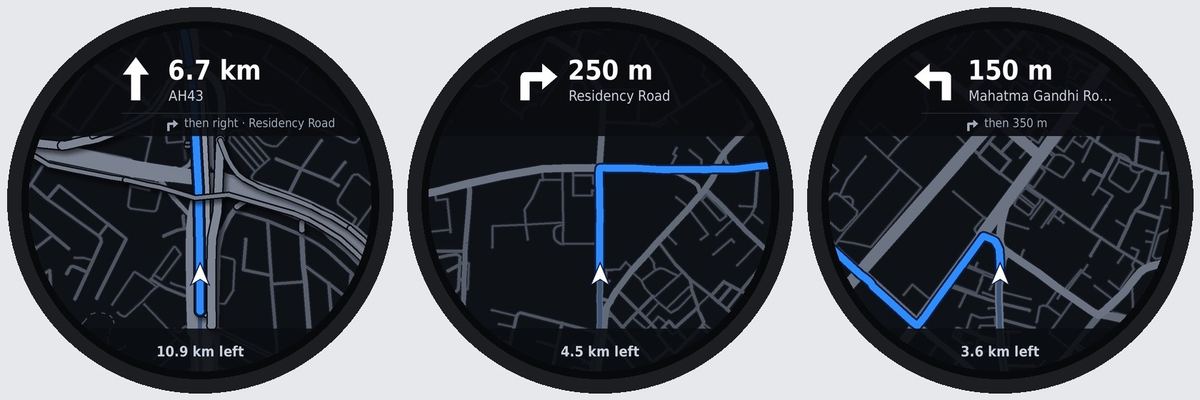
Before any hardware, I drew what I wanted to see on the handlebar: not an arrow, the real roads around me, the next turn, and the one after it. Three round screens on roads I ride every week. Everything since has been about making these real.
A screen that only existed on my laptop
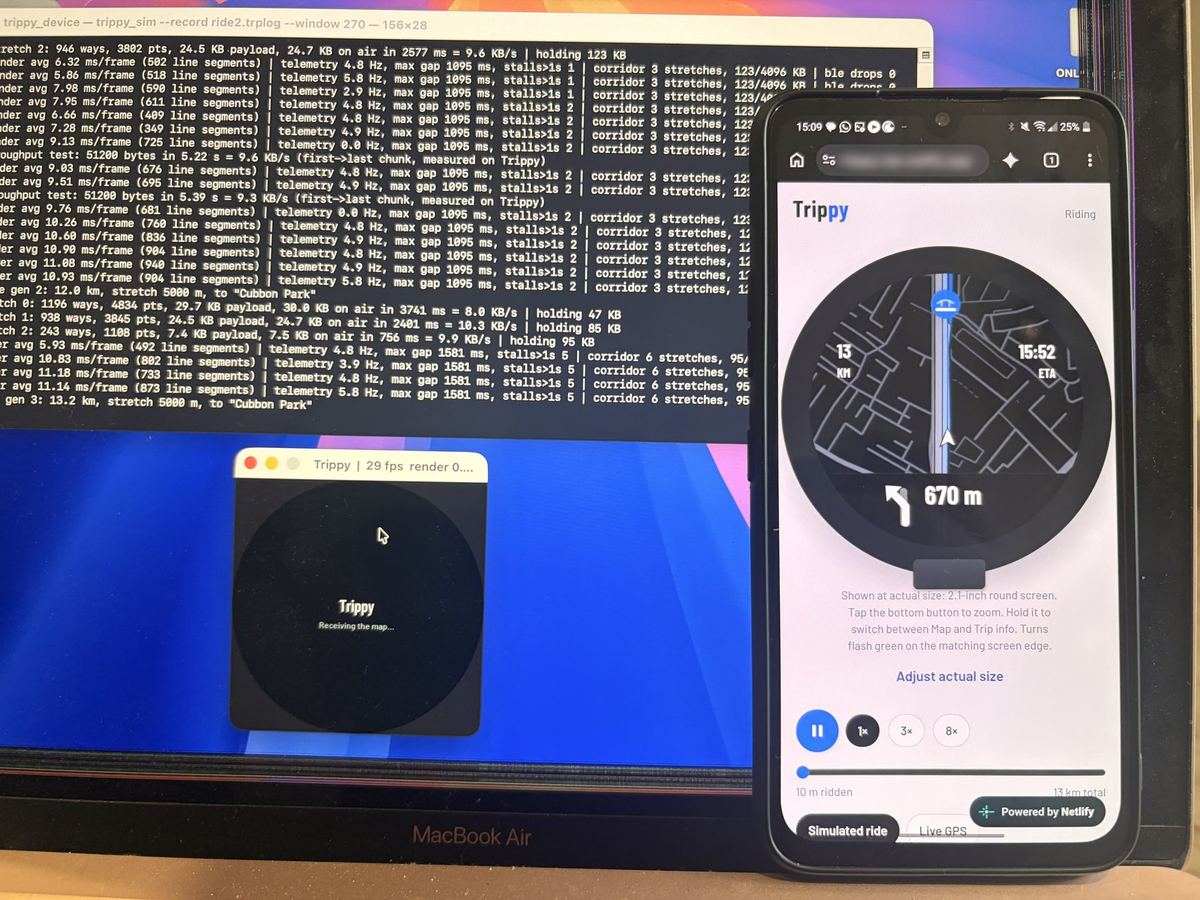
The hardware hadn't arrived, so I built Trippy in software first: a copy of the round screen running on my Mac, and the first phone app sending it the map over Bluetooth. Watching "Receiving the map…" turn into a route was the first moment it felt possible.
The real screen, and everything wrong with it
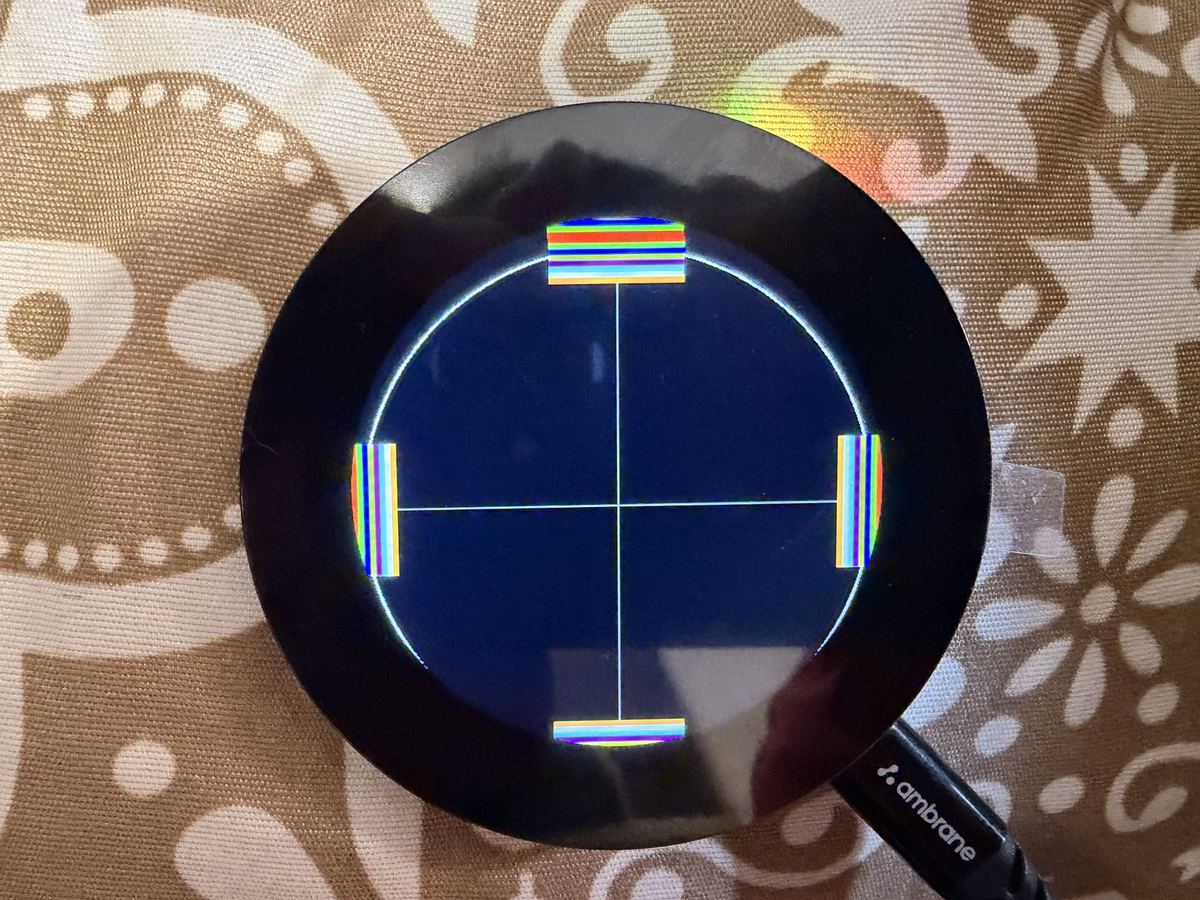
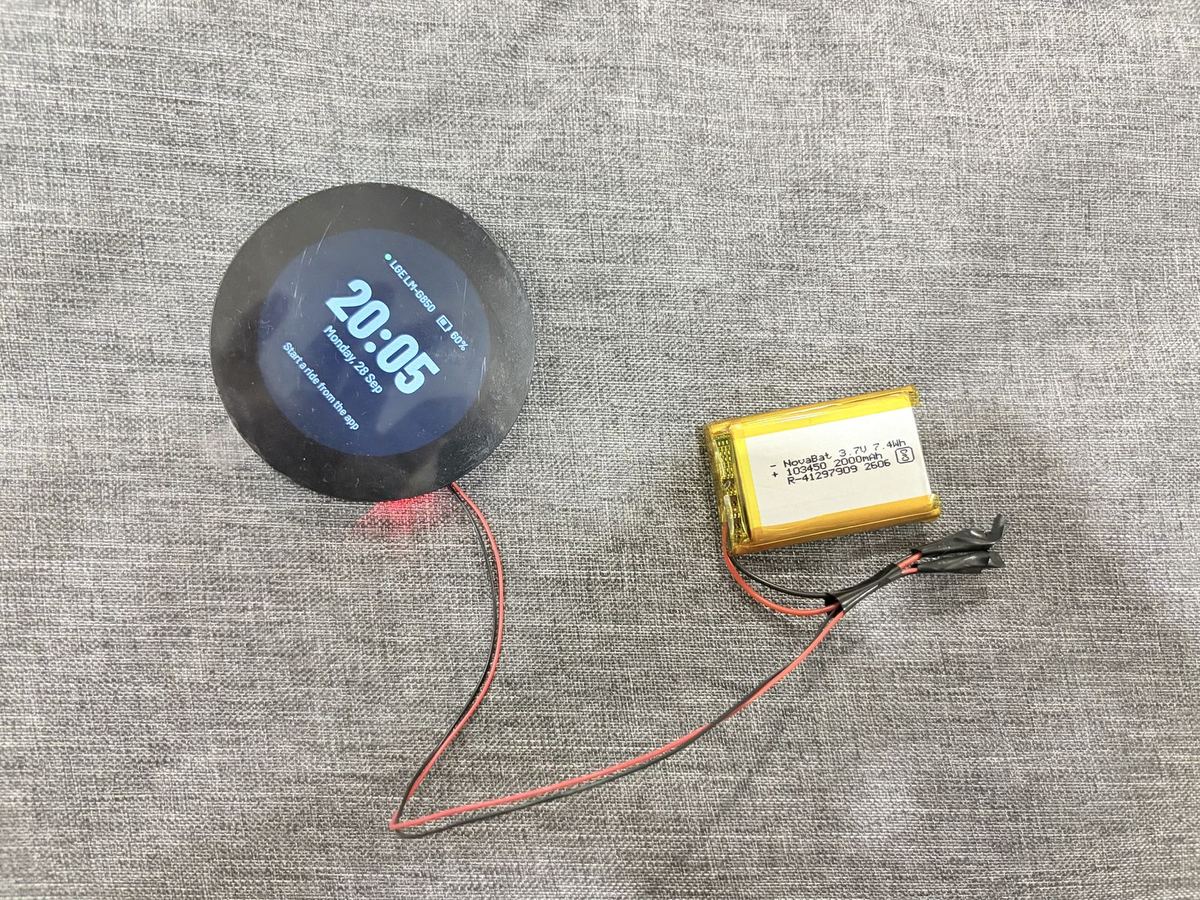
Then the real board arrived, and humbled me. The first test pattern didn't line up. The first map jumped and smeared across the glass, completely unusable. I spent the day fixing it, and by evening the screen woke up on its own battery, showed the clock, and found my phone.
No case? Rubber bands.
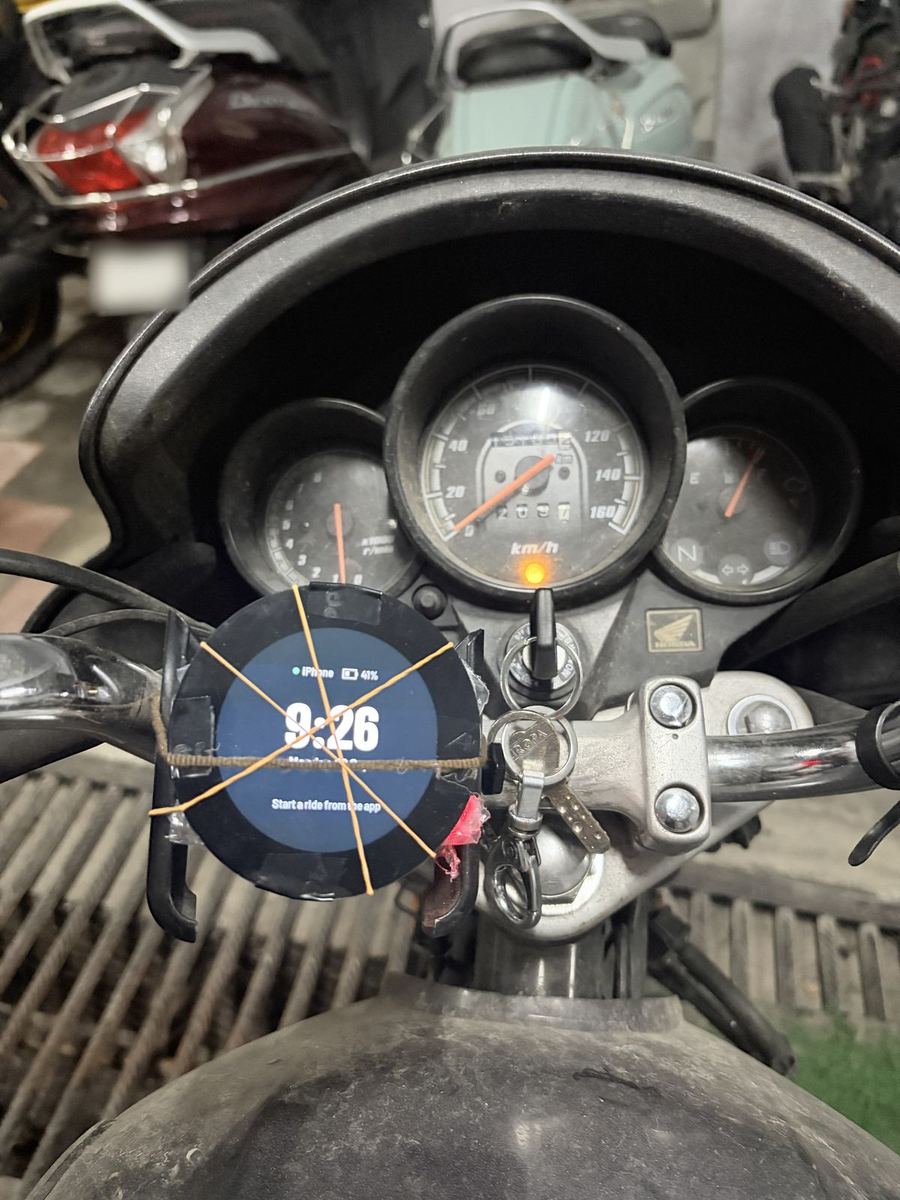
A working screen on a desk proves nothing; the point is the road. There was no case yet, and I didn't want to wait for one. So the same night it went onto my bike with rubber bands, string and tape, and I rode. The map moved with me. It was ugly, and it worked.
I showed it to other riders
I posted Trippy, running next to the phone app on my desk, on r/BangaloreBikes. Riders upvoted it, asked a hundred questions and started signing up for one. From here on, I wasn't building it only for myself. See the post
2 AM and a bug I couldn't see
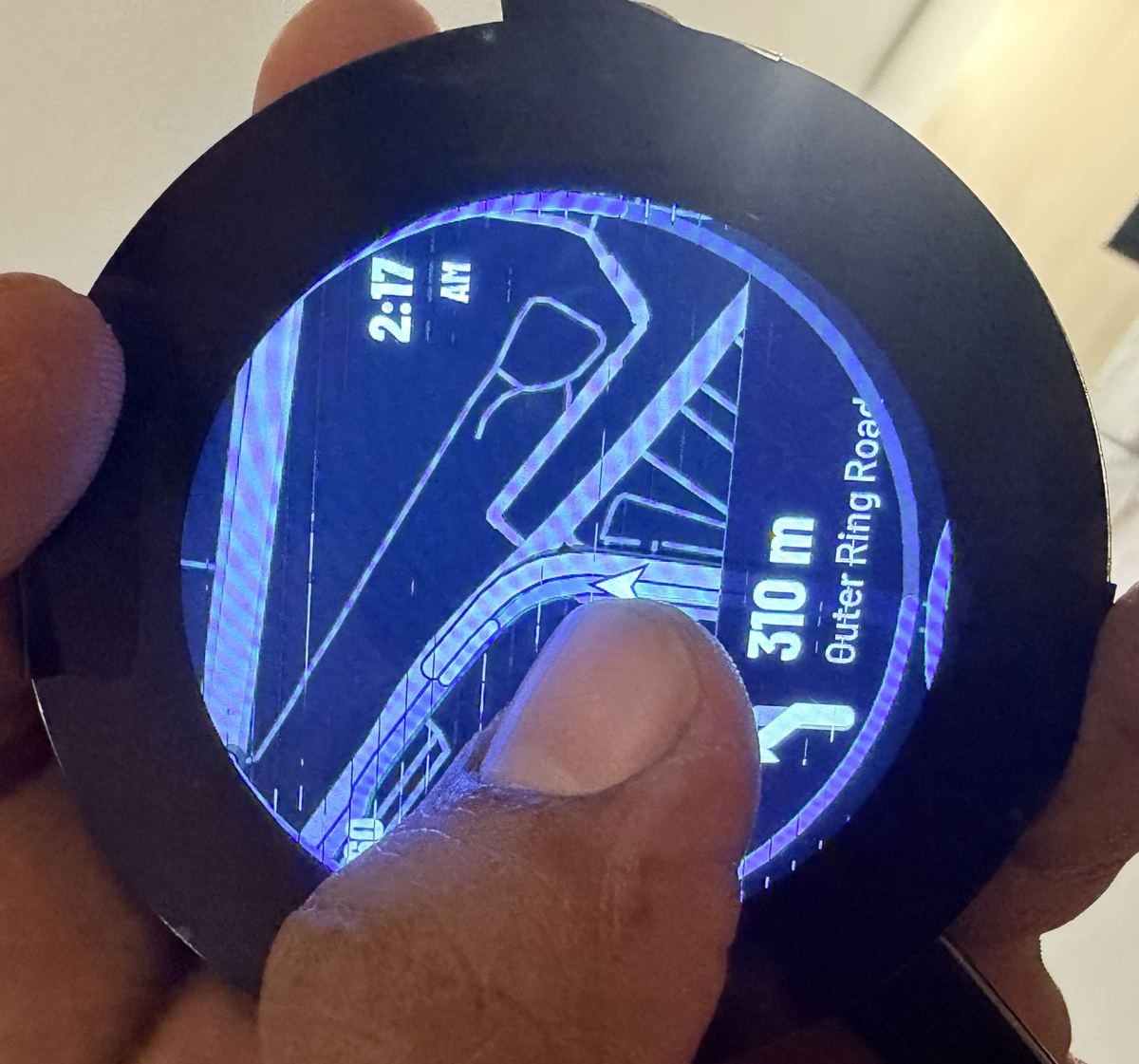
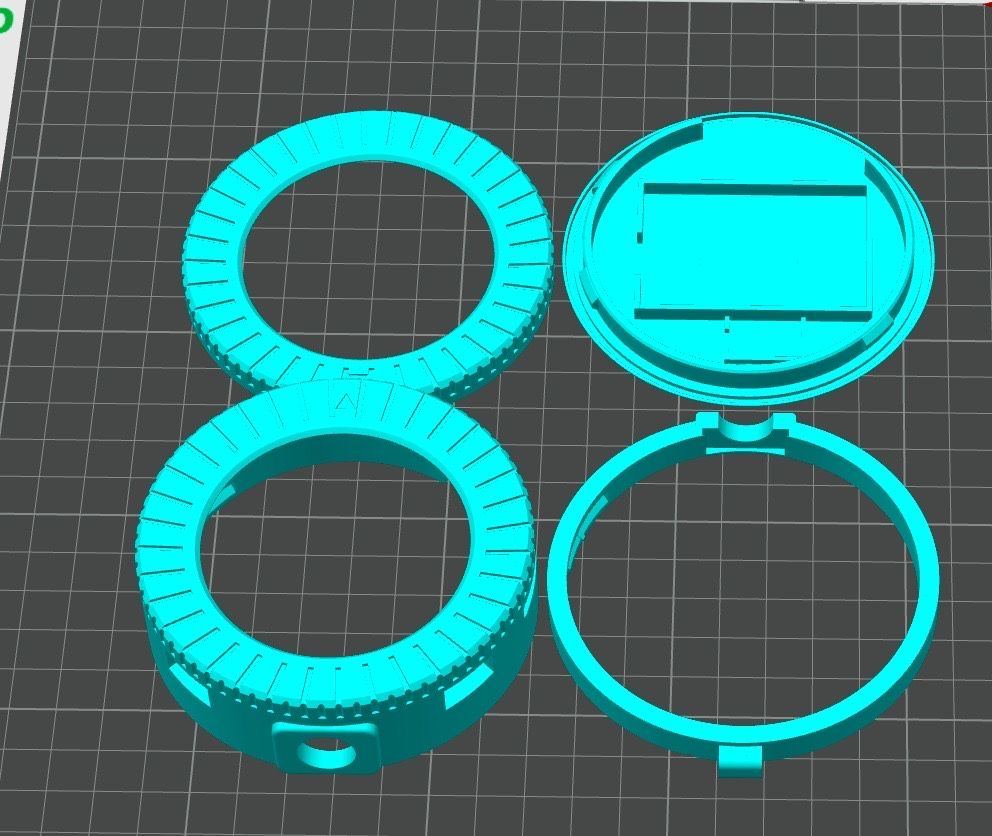
Then dashed marks started appearing on the screen, and stayed there. The clock in the photo says 2:17 AM; that night ended without a fix. In between, I designed the first case, so Trippy could stop living in tape.
The bed became the workbench
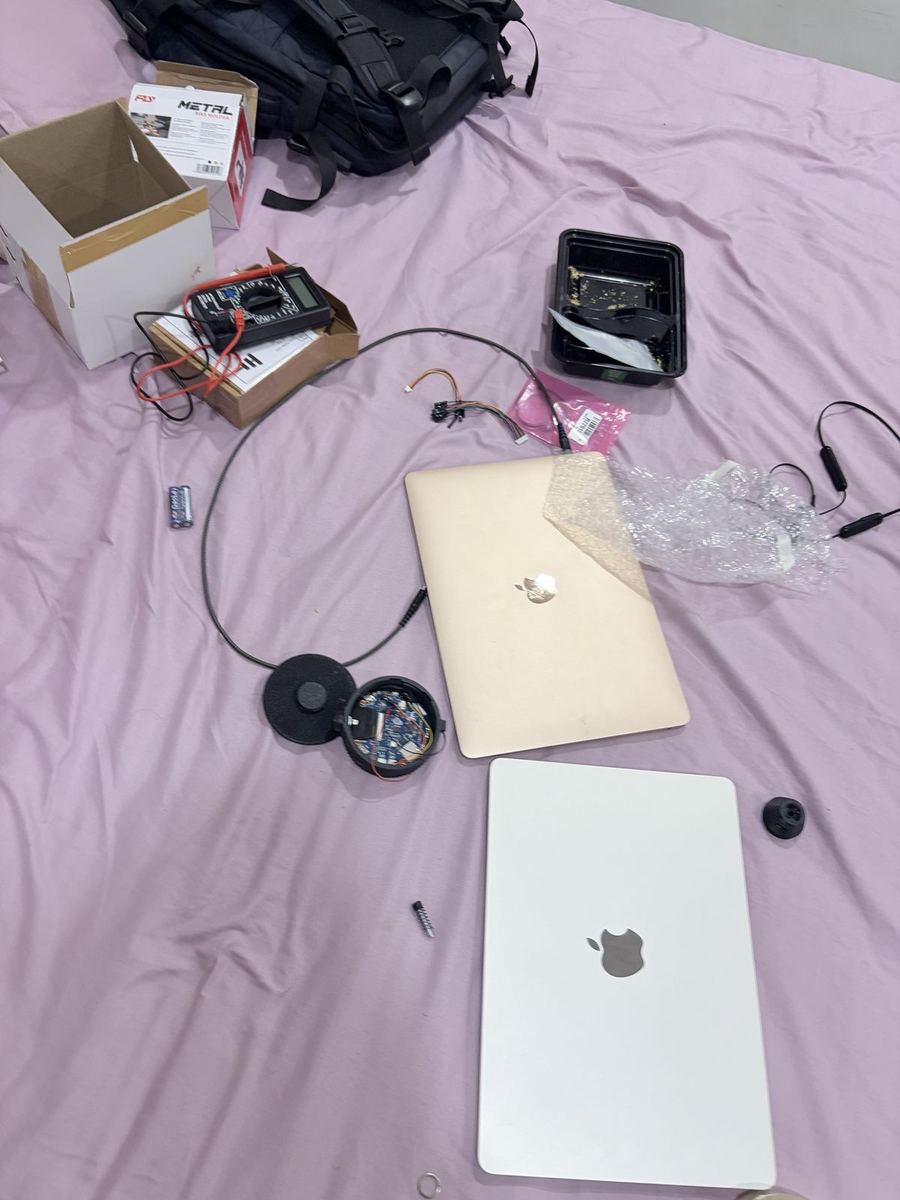
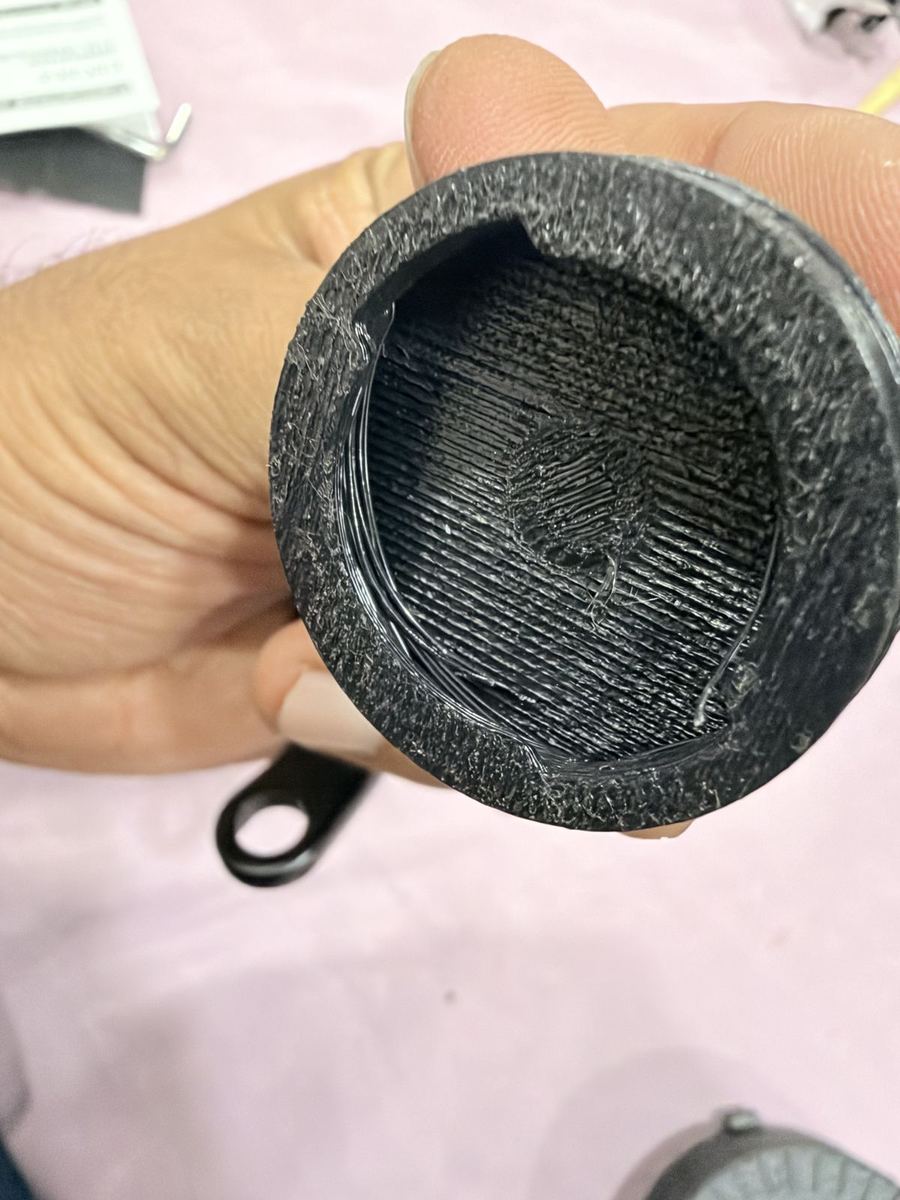
Laptops, a multimeter, cables, bubble wrap, the board half inside a case. The first print came out stringy and rough, so I printed again. The second one held, and that night Trippy went out on the street in a real case for the first time.
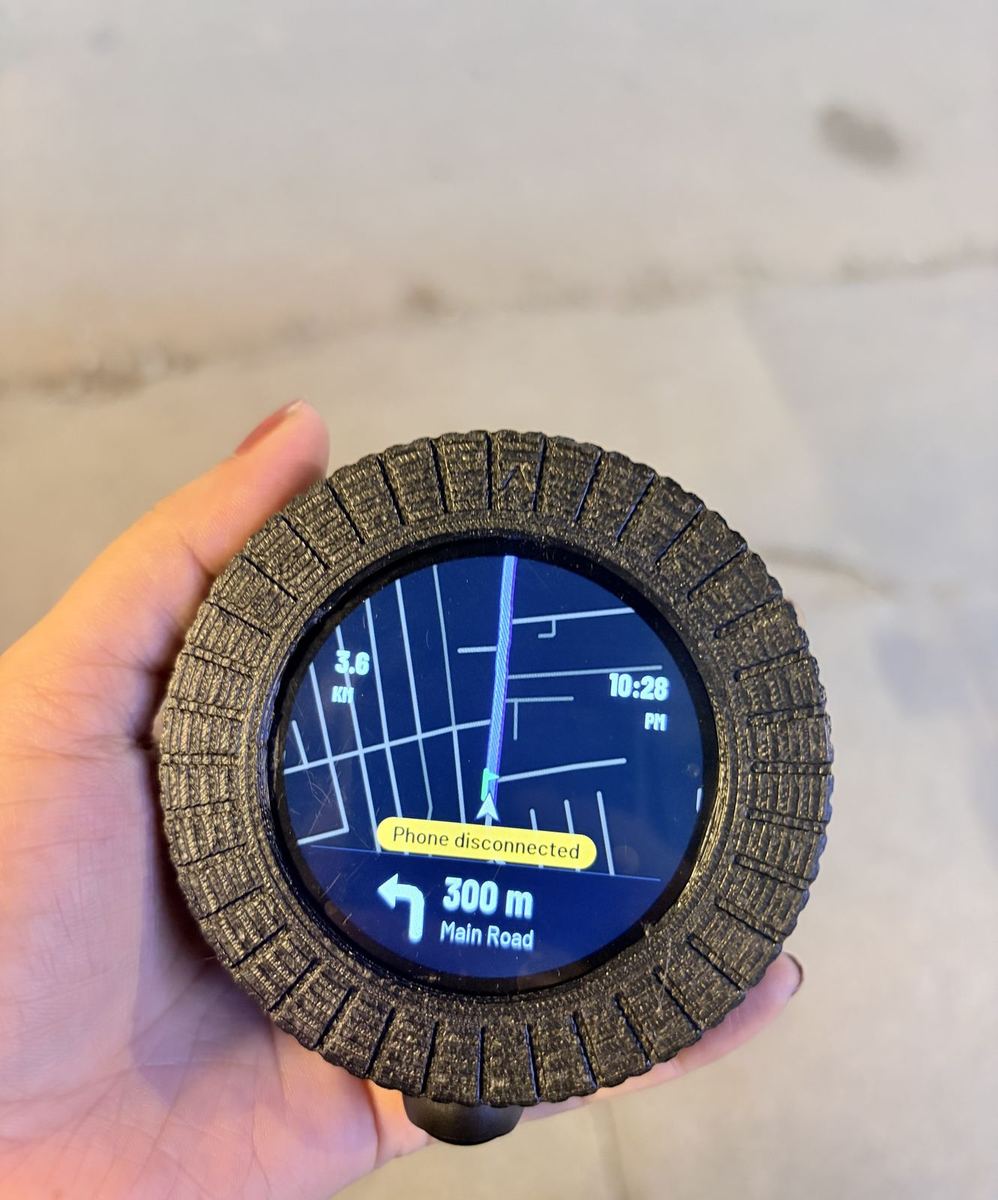
The first real ride, at midnight
I took it out on a midnight ride, Trippy in hand and the phone locked in my pocket, and shared it. See the post
The sun said no
Night rides looked great. Then I rode in the afternoon sun, and could barely read the map. A display you can't read at noon is no use in India, so I made the hardest call so far: change the screen. The Trippy you'll get uses a much brighter AMOLED.
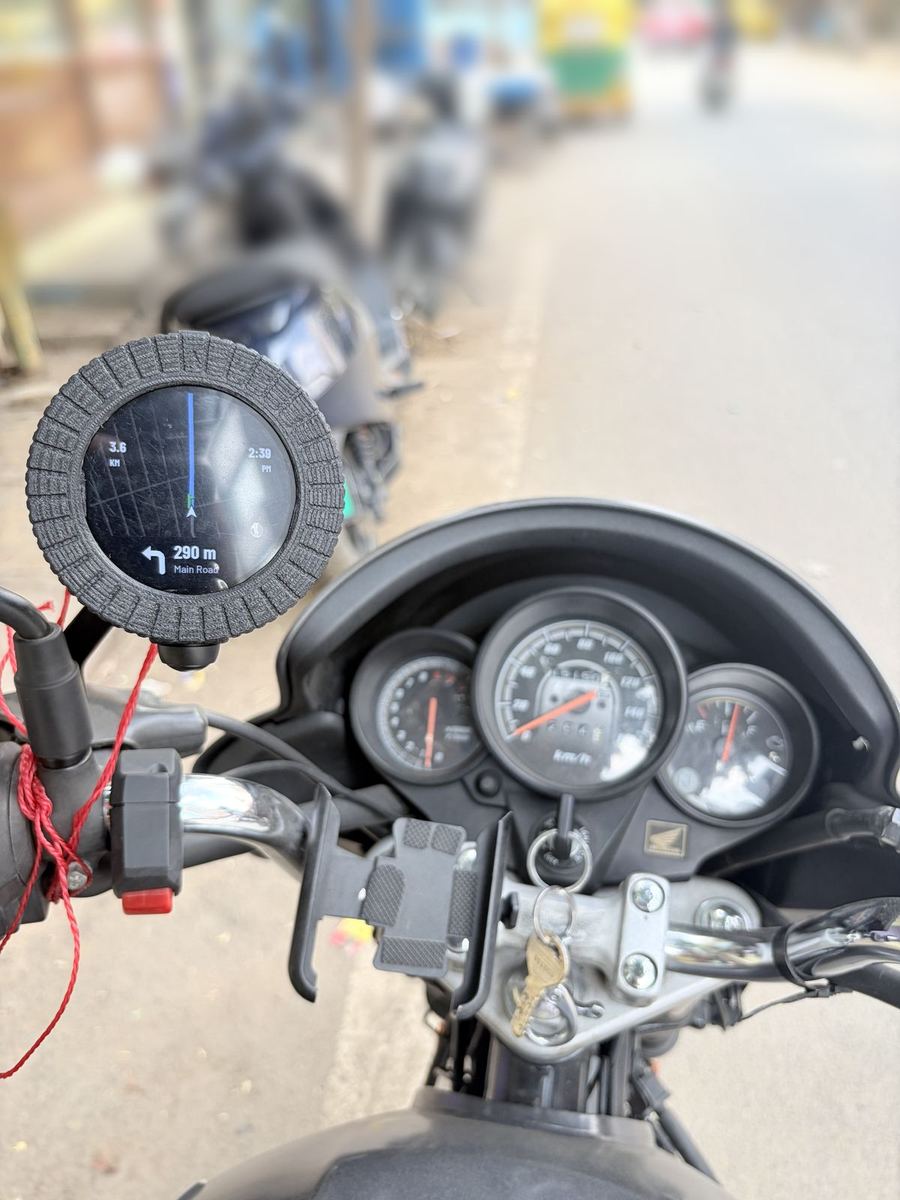
Properly on the bike
Next it went onto the mirror arm with a real mount, and I answered the questions riders kept asking. See the post
Smaller, and getting real
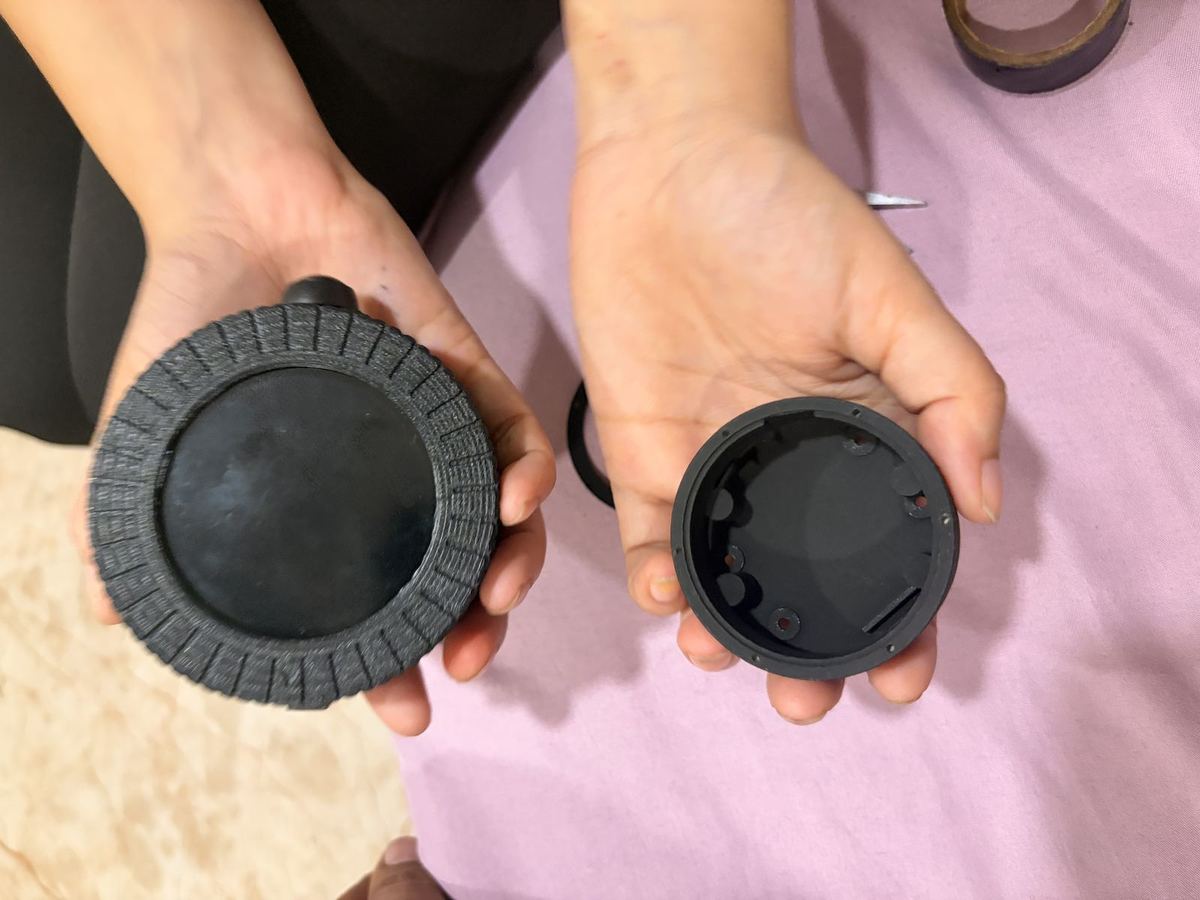
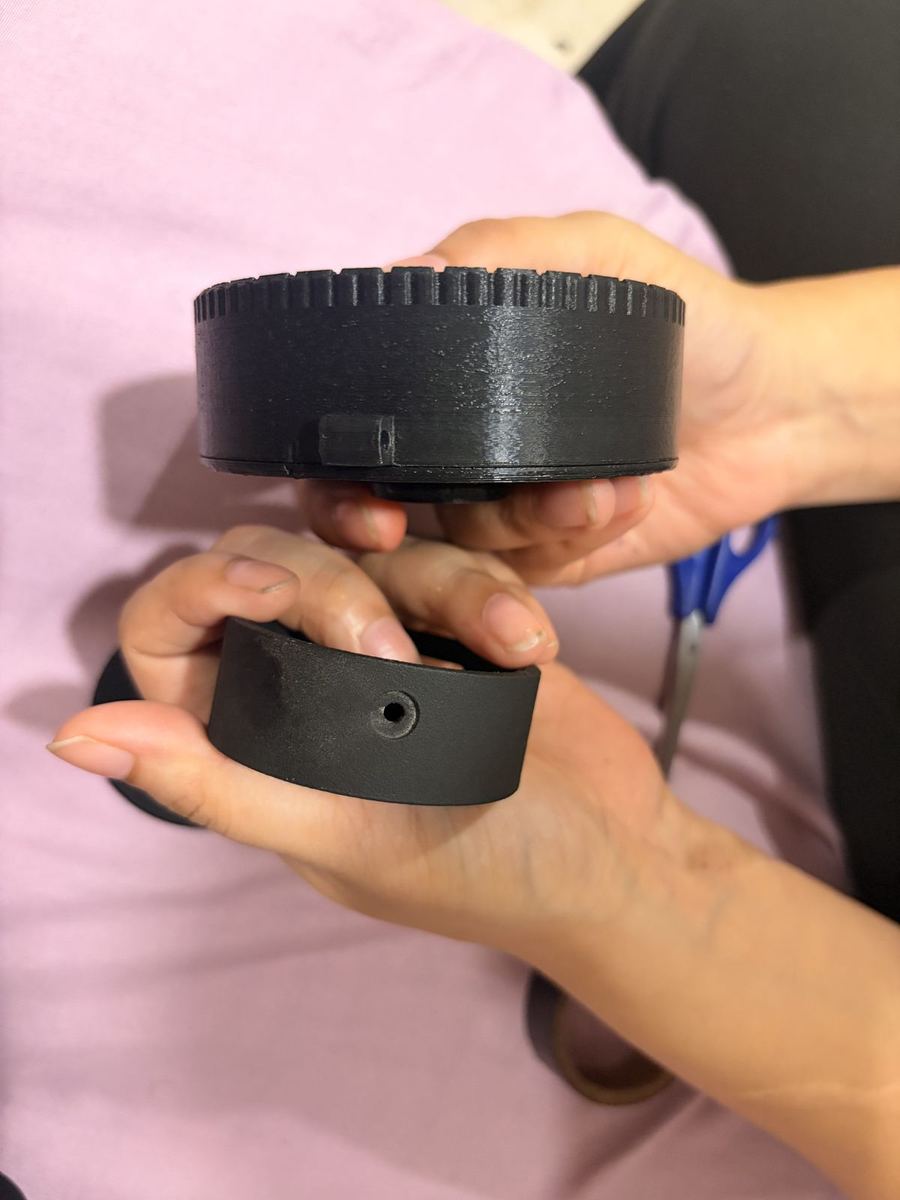
The prototype taught me what riders told me too: it was too big, with too much bezel. The new case for the brighter screen arrived, and next to the prototype the difference is obvious. Smaller, thinner, and starting to look like something you'd buy.
The next chapter is being written
The new AMOLED boards are on their way. Next: Trippy running on them in the new case, the noon sun test again, then rain, heat and long rides, and a small group of riders from the early list testing it before anyone pays. I'll add each chapter here as it happens.
Join the early riders